
The Soul of the Sporting South
The Soul of the Sporting South
Four places and four stories that capture the essence of the Southern sporting life.
By Paul Landon
Average read time: 14 minutes
A Sense of Where You Are
The Southern sporting life might begin on the first tee, flow toward the river, and end up with stories told on the porch as fireflies illuminate the night.
It’s an always game mindset; a lifestyle in rhythm that defies categorization. But it’s more than that. It’s a way of knowing where you are—and, eventually, who you are.
The rituals are an extension of place. A way of reinforcing a region’s values, culture, and way of life. A gateway to understanding the land, and nurturing the bonds of the people who inhabit it.
These four places aren’t a list of the “South’s Best.” They’re places that are meaningful to us; where stories are created and rituals are passed down.
Each place has its own terrain, traditions, and rhythm. Yet each reveals the same truth: the sporting life becomes meaningful when the game draws us deeper into the land, the culture, and the company around us.

Alabama & Pursell Farms
Where the Sporting Life Finds Its Rhythm
Making the most of the land is one of the things Alabama does best.
Its fertile soil has played a central role in the state’s history for thousands of years—producing cash crops like cotton, peanuts, and corn. Its hills supply the raw materials for iron and steel in abundance. Alabama’s landscape today is dominated by woodlands, pines, pastureland, and the rolling foothills of the Appalachians.
From the state’s inception in 1819 until the mid 20th century, nothing influenced Alabama’s economic and social life more than agriculture. This intimacy with the land shaped a culture.
Life in farming communities and small towns left a legacy of open doors. Being spaced far apart meant being able to count on your neighbor was more than a positive sentiment, it could mean survival itself. Hospitality matters because it creates bonds between people and places—and there’s no place where hospitality means more than the Heart of Dixie.
Sporting traditions manifest Alabama’s deeply embedded values of creating bonds between people and the land. Rituals like duck hunting in the Mobile Delta, bass fishing on Lake Guntersville, and fall Saturdays in Tuscaloosa are cherished pastimes, current favorites, and pillars of identity.
And perhaps no place in Alabama understands this better than Pursell Farms.

Pursell Farms
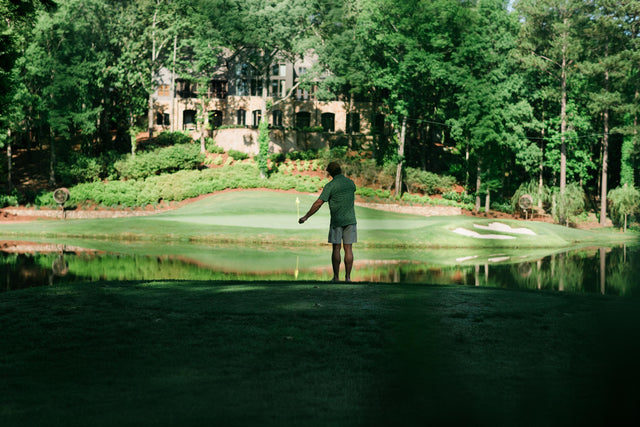
It’s not just the Top 100 public course or the gorgeous scenery surrounded by pastures, pine and longhorn cattle.
It’s not just the fresh fruit stands on several of the holes. It’s something intangible. Something that you feel.
You can feel over 100 years of history. Three generations of family farmland that evolved from growing cotton to raising steer—to the turf grass, a precursor to the world-class FarmLinks course you'll play today.
You feel it in the warm hospitality that the Pursell family prides itself on—an embodiment of Alabama’s culture defined by personal greetings and open arms. This creates an unhurried, welcoming pace that suspends time and lets you truly “be where your feet are.”
You swing your best when you have the fewest things to think about. So this intangible feeling at Pursell Farms lets you play for the joy of the swing itself.
But golf is only one way into the 3,200 acre property. Sporting clays, fishing, trails, epic BBQ grills, and majestic firepits offer an ideal blend of sporting life and communal relaxation.
Pursell holds particular meaning for Juniper & James. It was here that the first run of apparel was photographed against the mountain landscape in the Appalachian foothills.
We were soon put at ease. Closest-to-the-pin bets. Twilight golf. The firepit and a bottle of bourbon sparking belly laughs. Forging stronger friendships.
This intangible feeling at Pursell Farms put our brand ethos into words. We felt like we were always in a rhythm, never in a rush. Then we thought: isn’t this the way the game was meant to be played?

Texas Hill Country & Horseshoe Bay
Where the Sporting South Opens West
This is Texas.
The land gets bigger. Limestone breaks through thin soil, live oaks gather in the draws, and spring-fed rivers cut cold paths through open country otherwise defined by heat.
Ranch gates and truck tires line two-lane roads. Post-oak smoke rises above barbecue pits. German names remain on the towns, red dirt plays in the dance halls, and the glass towers of Austin shimmer beyond the cedar.
The Hill Country sits where the South opens toward the West. German and Mexican influences run through its food and music, from smoked sausage and Shiner Bock to street tacos and micheladas.
This is the land of the gunslinger. The wildcatter. The cowboys on the cattle drive. And even with the shimmer of modern Austin, this spirit remains as deeply embedded as the limestone bedrock.
For Juniper & James, this is home.
The sporting life here is rugged, adventurous, and spontaneous. Golf shares the landscape with fly rods, shotguns, and spring fed swimming holes discovered with mud on the tires.

Horseshoe Bay & The Brazos River
At Horseshoe Bay, the three golf courses embody the Central Texas landscape. Dramatic limestone rock formations, rocky creeks, and rolling hills lined with native live oaks.
At Horseshoe Bay, you have the luxury of cooling down on Lake LBJ—one of the nation’s largest lakes.
The lake offers a change of pace from its flashier neighbor to the east, Austin’s Lake Travis. Opposed to the party barges of Lake Travis, LBJ feels peaceful and relaxed—until you see a golfer chunk a par 3 over the water and let out a guttural groan.
Horseshoe Bay is a true Hill Country resort. Like Texas itself, the land offers rewards for those with gumption—but remains approachable. The golf courses have beautiful features, such as stunning waterfalls, that inspire awe and challenge any handicap. One boasts a “Million Dollar Hole” with a 35-foot waterfall powering 8,000 gallons of water per minute as it mists your cart path.
Beyond Horseshoe Bay, the sporting life lives in the always game mentality of those who inhabit it and rituals such as: hunting native trophy whitetail in the live-oak valleys, shooting dove beneath a September sky, or fishing or camping along the region’s rivers. Juniper & James captured this attitude in “Cast & Blast on the Brazos.”
Almost nothing unfolded as intended, but, by the end, the group had caught fish, bagged ducks, slept badly, and acquired a story that captures the rough and ready Texan ethos.

Cashiers & Sapphire Valley
The South’s Mountain Life
Growing up around the massive mountains out West, it took me years to fully appreciate these mountains. True, they’re not the same scale and you can’t ski (technically you can but it’s not really skiing).
But now that I’ve had decades of experiencing the Blue Ridge, I guarantee you they’re every bit as good—if not better.
Imagine it’s summer in Atlanta. Real muggy. So you leave the city heading north.
About 90 miles into your trip, the terrain rises dramatically. The windows come down. The highways narrow. The temperature cools. Waterfalls appear through forests; the trees fill the air with evergreen and nostalgia.
You’re in the Blue Ridge Mountains—a refuge for generations of families escaping the summer heat in Atlanta, Birmingham, and all the lowland cities along the Piedmont Plateau.
This cool-climate retreat fostered a summer culture of cottages, camps, clubs, and sporting rituals. The kind you might find in Maine, Northern Michigan, Nantucket, or mountain towns out West.
And the region’s cultivated an esteemed golf culture for virtually as long as the game has been played in America.
When Bobby Jones struck the first ball at Highlands Country Club in 1928, he christened a new era of mountain golf, enhancing the appeal to a place where you could enjoy both world-class golf and the inherent lure of a beautiful mountain town with outdoor adventure at every turn.
Clubs like High Hampton, Wade Hampton, and Mountaintop made the Cashiers-Highlands Plateau one of the South’s great golf destinations. But it’s the golf plus the mountain lifestyle that make the siren song of Cashiers irresistible—the blueberry haze of the range itself, the trout streams, the outdoor exploration.
Once the word spread across the Piedmont region, you had families returning every summer. Men from Charlotte and Chattanooga building bonds on the links while their children learned to become gentlemen at Camp Carolina, and ladies at Camp Merrie-Woode. Multi-generational magic and memories created. Lasting bonds forged in this small mountain enclave. Hoping the word doesn’t get out, but fearing it already has.

Sapphire Valley
And when we fear the word is getting out, that WSJ is telling people about Cashiers’ marquee resorts, you love places like Sapphire Valley more.
It’s low key. It’s not listed on any “best of” lists but it doesn’t need to be. Measuring Cashiers through this lens would be to miss the point entirely.
You’ll spend days walking the golf course along the river. Floating the lake with a six-pack in peak summer. Hiking Whiteside Mountain as the leaves change in the fall. Building a fire with your childhood best friend who’s up from Augusta, while your 2-year old kids play and your wives drink wine.
The real value of Cashiers and places like Sapphire Valley lies in things that can’t be bought or reserved through an app.
The same winding roads, the same river beside the golf course, the same cousin coming down from Spartanburg to join your family each year.
And the sporting life in the North Carolina mountains channels that ritualistic return through the activities we love—golf, fly-fishing, outdoor adventure, and lake life.

Beaufort & Brays Island
The Sensuous, Semitropical Pull of the Lowcountry Tides
The rhythms of the Lowcountry cast a spell on you; grabbing hold like the force of the tidal rhythms that govern life in this region.
Shrimping families learned the coastal waters. Rice, indigo, and Sea Island cotton built extraordinary fortunes—and the historic mansions that remain visible across Charleston, Beaufort, and Georgetown.
Twice each day, the tide redraws the landscape. If you listen closely, you can hear it. It begins with a sudden pop of oyster beds releasing. The slender spartina grass makes a hissing sound. Then the tide ripples as it snakes its way back into the narrow salt marshes—determining when shrimp boats leave and redfish enter the grass.
Palmettos rise from sandy ground. The silvery-green Spanish moss sways in the salty breeze. The lush vegetation acts as a filter softening the harsh afternoon sunlight.
My own relationship with Beaufort and its surrounding sea islands stretches from childhood into the present. My family helped me learn its landscape and culture through sensory details. Watching the tidal patterns from the beach on Hunting Island. Peeling shrimp bought beside the road less than a mile from where it was caught. My mother teaching me about moss-draped live oaks, Gullah sweetgrass baskets, and the allure of a Waffle House breakfast.
As described by the iconic Lowcountry writer Pat Conroy:
“Breathe deeply, and you would breathe and remember that smell for the rest of your life, the bold fecund aroma of the tidal marsh, exquisite and sensual, the smell of the South in heat…my soul grazes like a lamb on the beauty of the indrawn ties.”
The region’s renowned sporting life reflects its rugged yet refined tradition—blending salt marsh fishing, field sports and hunting, equestrian pursuits, and championship golf. These traditions go back over 100 years.
In the early 20th century, the Genteel Sport Era saw wealthy northern industrialists buy former rice plantations and convert them to private winter hunting reserves. This embedded field traditions in the culture alongside the long established water recreation.
Artists have long been inspired by the dramatic landscapes, dynamic wildlife, and quiet focus of the southern field—immortalizing the Lowcountry sporting life and creating a legacy seen in artists like Ogden Pleissner and events like Charleston’s SEWE.
But today the Lowcountry’s beauty is widely known, and people from across the nation are being lured by its coastal charms, historic mansions, and a favorable cost of living compared to places like Summit, NJ and San Diego.
The influx of people and development led to the modern conservation shift—increasing emphasis on protecting the land, waters, and wildlife habitats critical to the Lowcountry.
And, although there are no shortage of premier sporting communities in the region, there’s one that stands out as an embodiment of these preservation ethos and a love for life outdoors: Brays Island.

Brays Island
Pat Conroy once wrote:
“More thought and planning went into designing Brays Island than any place I’ve seen on the Southeastern Coast. It looks and feels like paradise as described in the book of Genesis.”
Brays Island is a special place where the region’s sporting life lives harmoniously with its raw natural beauty. Cradled by the headwaters of the Port Royal Sound, Brays fought to preserve this pristine land. They intentionally limited the 5,500 acre property to just over 300 homesites—while the remaining 94% of the land is permanently protected.
The expansive open landscape creates a mosaic of wildlife, vegetation, and waterways. Brays turned this protected land into an immersive sporting world; a paradise for hunters, anglers, and golfers.
You can hunt deer, quail, pheasant, and turkey without leaving the property. Spending time in the field with your family and bird dogs on the 3,500 acre hunting preserve.
Surrounded by tidal saltwater rivers with ocean access, Brays offers anglers a year-round fishery for redfish, speckled trout, and flounder—with seasonal runs of cobia and tarpon.
The sprawling golf course is designed to highlight the existing natural beauty. And, as a small private community with just 325 families, there’s no need for a tee time.
The focus on land stewardship extends from hook to table. Chefs will cook what you catch on the water or bag in the field—enhanced by produce sourced from the property’s garden.
Together, Brays is an expression of a region where land, sport, and culture have always been integrated. A tidal rhythm with a gravitating pull that, for those lucky enough, turns memory into stewardship.
The Soul of the Sporting Life
We enter these places through sport.
A tee time gives us a reason to cross the state line. A river sends us down an unfamiliar road. A family invites us to chase redfish in the Lowcountry salt marsh.
Then the game opens into something bigger. Just as golf teaches us to read the grass, the wind, and contours of a landscape—thereby gaining a greater appreciation for it—the doors opened by the sporting life call our attention to the world around us.
We learn the history of a place, its culture, and way of life. We find a bar where people learn our last name. We hear the local stories and become part of them over time. Then what started as a trip becomes a ritual—a place where we do things we love, and share them with people we care about. The destination and pursuits stop being leisure and become part of who we are.
And if they truly matter to you, the rituals and place will find themselves in new chapters of your life.
I remember bringing the boys to St. Helena Island, SC a week after graduating college. A few years later, I shared this place with a girlfriend. Then that girlfriend became my wife and we were married there. Last year, I introduced my son to the Lowcountry tides—and now their gravitational pull persists for at least another generation.
The Southern Sporting Life is not a collection of hobbies, dress code, or club membership card. It’s a longstanding relationship to the course, the river, the field, the family, and the table. It’s the memories, stories, and things we love that truly fulfill us—and connect us to something bigger.
You can’t buy it. But all that you love is all you can ever truly own.

0 Comments
There are no comments for this article. Be the first one to leave a message!